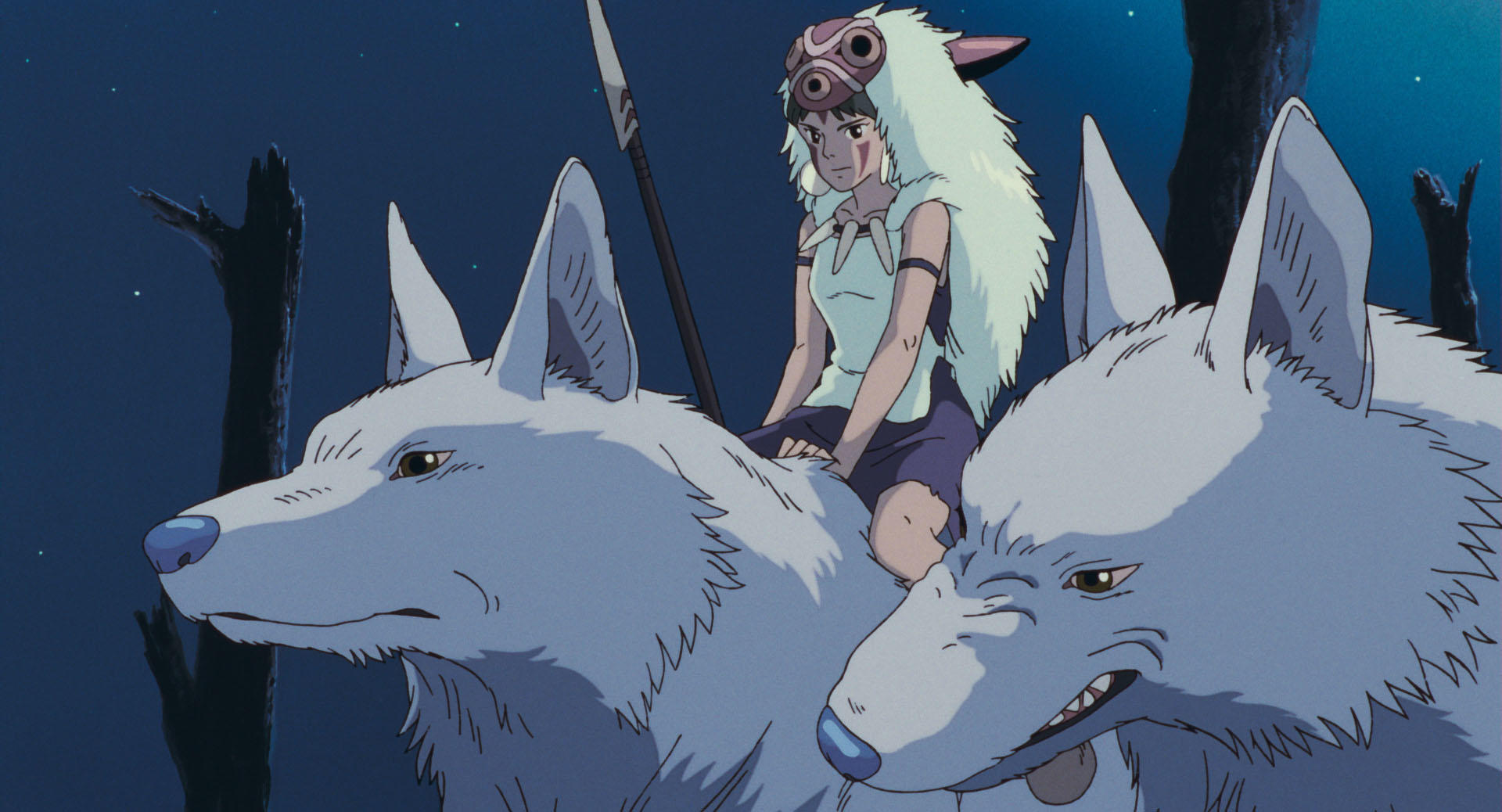
Still from ‘Princess Mononoke’, Credits: Studio Ghibli
Studio Ghibli has gifted the world with countless magical films, but one that truly stands out is Princess Mononoke. Directed by Hayao Miyazaki, this 1997 classic is a beautiful blend of fantasy, action, and environmental themes.
Let’s dive into the many reasons this movie remains a favorite for anime lovers and film enthusiasts alike.
The Plot of ‘Princess Mononoke‘
At its core, Princess Mononoke tells the story of Ashitaka, a young prince from a secluded village who gets cursed by a demon while protecting his people. Seeking a cure, he embarks on a journey that leads him to a conflict between the industrialized humans of Iron Town and the gods and spirits of the forest.
This isn’t your typical good-versus-evil narrative. Miyazaki expertly weaves a tale where every side has valid motivations. Lady Eboshi, the leader of Iron Town, isn’t a villain in the traditional sense. She’s ambitious and resourceful, fighting for her people’s survival. Meanwhile, San (Princess Mononoke) and the forest spirits, including the majestic wolf goddess Moro, are determined to protect their home from human encroachment. It’s a thought-provoking exploration of coexistence and the consequences of human ambition.
The Characters: Complex and Compelling
One of the movie’s greatest strengths is its characters. Each one is layered and dynamic, making it hard to pick a clear side.
- Ashitaka: He’s a bridge between worlds, trying to find peace and understanding while grappling with his curse. His calm demeanor and sense of duty make him a refreshing protagonist.
- San: Raised by wolves, San is fierce and unapologetically wild. Her loyalty to the forest and her struggle with her human identity make her one of the most compelling characters in anime.
- Lady Eboshi: A trailblazer in her own right, Eboshi challenges gender norms by leading a town and empowering marginalized groups. Yet, her actions come at the cost of nature.
- Moro and the Forest Spirits: These mystical beings embody the raw power and beauty of nature. Moro, in particular, is both terrifying and awe-inspiring as a maternal figure to San.

The Visuals: Breathtaking Artistry
One word: breathtaking. Every frame of Princess Mononoke is a work of art. From lush forests teeming with Kodama (tree spirits) to the ominous, writhing mass of the cursed boar demon, the film effortlessly blends beauty with menace. The hand-drawn animation, complemented by subtle digital techniques, brings this mystical world to life.
The details are astounding. Watch closely, and you’ll notice the intricate designs of the forest spirits, the rugged terrain of Iron Town, and the way the light filters through the trees. Each scene feels alive, making the visuals alone worth the watch.
The Music: A Perfect Match
Composed by Joe Hisaishi, the soundtrack of Princess Mononoke is nothing short of magical. The music seamlessly blends traditional Japanese instruments with orchestral arrangements, capturing the film’s epic scope and emotional depth.
Tracks like “The Legend of Ashitaka” set the tone for adventure, while softer pieces like “The Tatara Women Work Song” highlight the daily lives of Iron Town’s residents. By the end, the music lingers in your mind, much like the story itself.
Themes: More Relevant Than Ever
The environmental message of Princess Mononoke is timeless. At a time when climate change and deforestation are pressing issues, the film’s exploration of humanity’s relationship with nature feels more relevant than ever. It doesn’t preach but instead asks viewers to reflect on their own impact on the world.
The film also tackles themes of identity and belonging. San’s internal struggle as a human raised by wolves mirrors the broader conflict of the movie. Can humans and nature coexist? Or are they doomed to clash forever?

Cultural and Mythical Influences
Miyazaki drew heavily from Japanese folklore and Shinto beliefs in crafting Princess Mononoke. The forest spirits, like the majestic Deer God, are inspired by kami (spirits) in Shinto. The Kodama, with their eerie rattling sounds, symbolize healthy forests.
The film also reflects Japan’s historical tension between modernization and tradition. This cultural depth adds an extra layer of richness to the story.
Fun Facts/Behind the Scenes
- A Massive Undertaking: Miyazaki personally reviewed and corrected thousands of animation frames, ensuring the film met his high standards.
- Inspiration: The forest in Princess Mononoke was inspired by Yakushima, a lush island in Japan known for its ancient cedar trees.
- Record-Breaking Success: Upon its release, the movie became the highest-grossing film in Japan, holding the title until Titanic came along.
- Hollywood Stars: The English dub features an impressive cast, including Billy Crudup as Ashitaka, Claire Danes as San, and Gillian Anderson as Moro.
- A Different Title: The literal translation of the Japanese title is “The Spirit/Monster Princess” highlighting San’s dual nature.
Why You Should Watch (or Rewatch) Princess Mononoke…
Whether you’re an anime fan or a casual moviegoer, Princess Mononoke has something for everyone. Its stunning visuals, complex characters, and profound themes make it a cinematic experience like no other. It’s a movie that stays with you long after the credits roll, sparking conversations about humanity’s role in the natural world.
So, grab some popcorn, dim the lights, and let Miyazaki’s masterpiece sweep you into its epic tale. Trust me, it’s worth every second. And who knows? You might even start spotting Kodama on your next forest walk!
That’s all for today, check out another anime review here:

From Up on Poppy Hill (2011): Going back in Time
From Up on Poppy Hill is a nostalgic tale set in 1960s Yokohama beautifully blends themes of love, family, and heritage, making it a standout among Ghibli’s slice-of-life masterpieces.
Share this:

Discover more from Joy of Untangling
Subscribe to get the latest posts sent to your email.


